Quick Answer
A comfortable pet space should be safe quiet easy to reach and suitable for the individual animal.
Choose a location away from excessive heat noise and household traffic. Add a comfortable resting surface fresh water and a few appropriate items such as toys a scratcher or familiar bedding.
The space should feel like a place your pet can choose to relax rather than a punishment area.
Key Takeaways
- Choose a quiet but not completely isolated location.
- Remove cords chemicals plants and swallowable objects.
- Use comfortable washable bedding.
- Keep fresh water available when appropriate.
- Give cats vertical and hiding options.
- Give dogs enough room to rest naturally.
- Do not force the pet to remain in the space as punishment.
- Adjust the setup as your pet's needs change.
Why Pets Benefit From Their Own Space
A household can be busy.
Visitors children televisions vacuum cleaners other pets and everyday movement can make it difficult for an animal to relax.
A dedicated resting space gives your dog or cat somewhere predictable to settle.
It can also help with routines.
If your pet has a comfortable place for rest you may find it easier to create a balanced daily schedule that includes activity and quiet time.
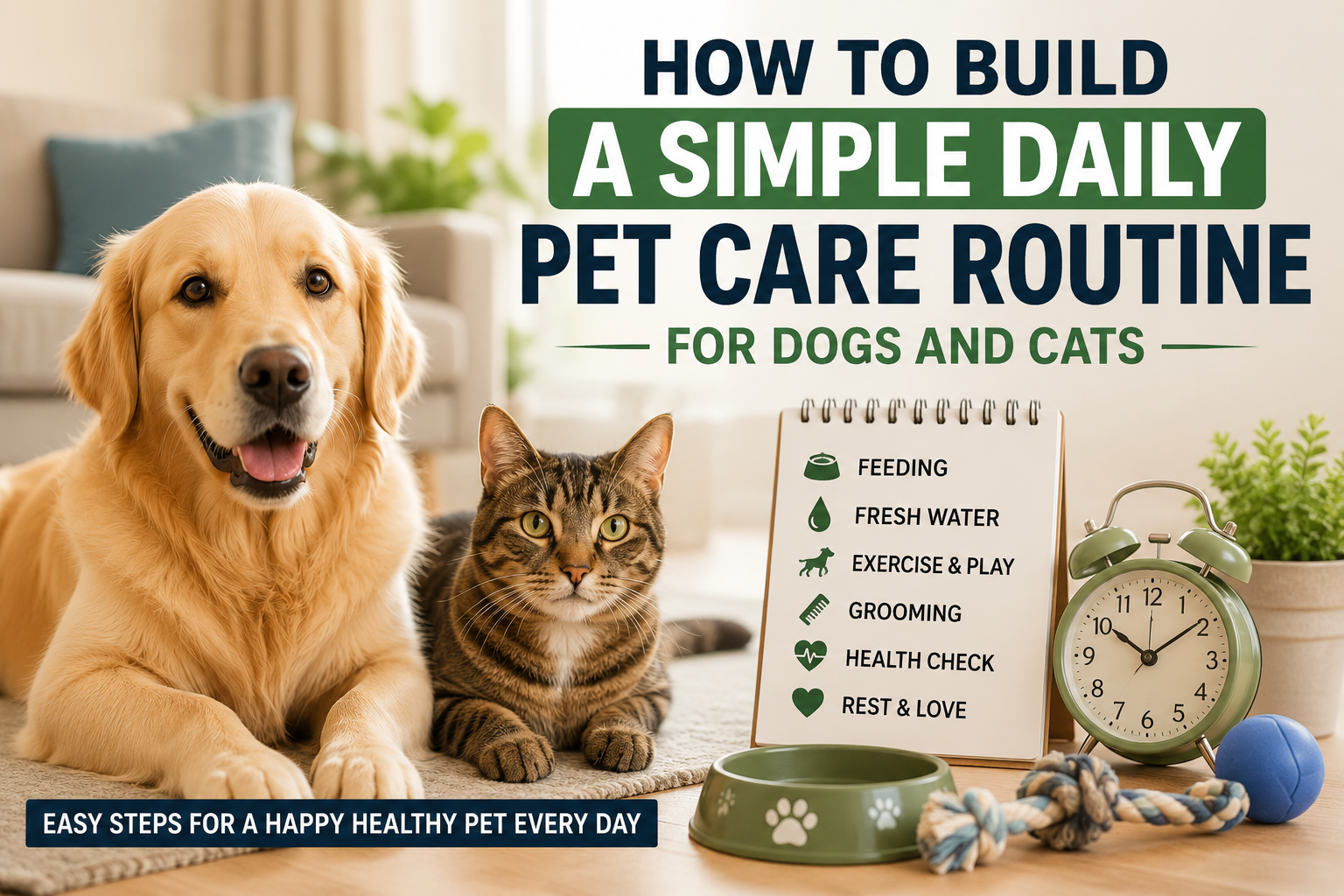
See our guide on how to build a simple daily pet care routine for a complete everyday plan.
Choose the Right Location
The best location depends on the individual pet.
Many pets prefer somewhere calm while still being able to see or hear normal family activity.
A corner of the living room bedroom or quiet home office may work well.
Avoid areas that are:
- Extremely hot
- Very cold
- Damp
- Constantly noisy
- Directly beside busy doors
- Exposed to unsafe drafts
Observe where your pet naturally chooses to rest.
That can give you clues about the kind of location they prefer.
Make the Area Safe First
Comfort is not useful if the area contains hazards.
Before adding beds and toys check for:
- Electrical cords
- Medicines
- Cleaning products
- Toxic plants
- Small swallowable objects
- Loose string
- Sharp objects
- Unstable furniture
Our room by room guide on how to pet proof your home for a dog or cat can help you check the rest of the house too.
Choose Comfortable Bedding
Bedding should fit the pet and be easy to keep clean.
Some dogs like thick padded beds while others prefer a flatter mat.
Some cats prefer soft beds while others choose a box blanket or elevated shelf.
There is no single perfect bed for every pet.
Think About Size
Your pet should be able to lie in a natural position.
A dog bed that forces the dog to curl tightly may be too small for normal everyday use.
Think About Age
Older animals and pets with mobility problems may benefit from easier access and supportive bedding.
If your pet has diagnosed joint or mobility problems ask your veterinarian about suitable bedding and home adjustments.
Add Water and Necessary Supplies
Fresh water should be easy to reach when the pet is spending significant time in the area unless a veterinarian has given different instructions.
Keep the bowl somewhere it is unlikely to be knocked over.
Other useful items may include:
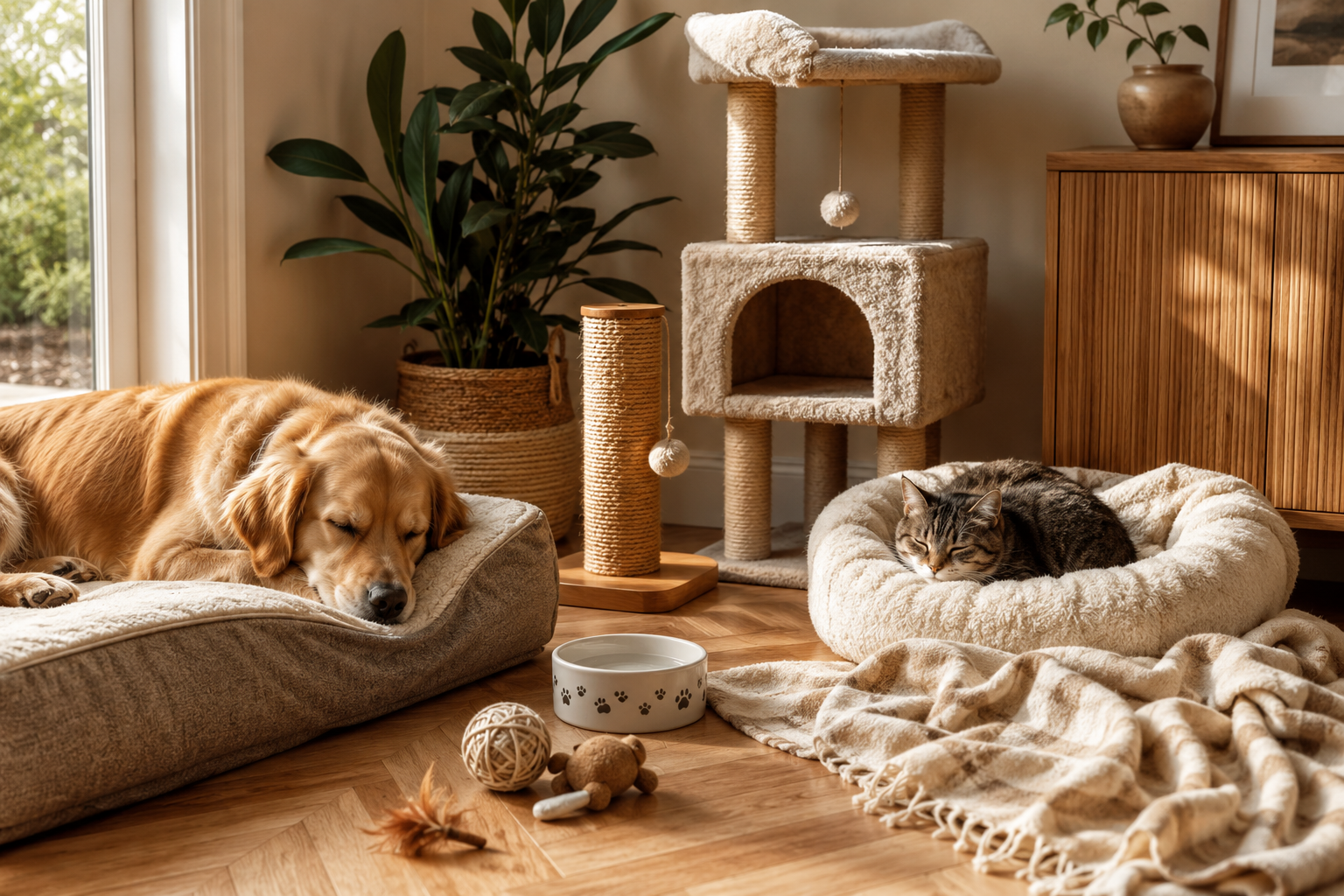
- A bed or mat
- A familiar blanket
- Safe toys
- A scratcher for cats
- A chew item suitable for the individual dog
Do not overcrowd the space.
A quiet rest area should still have enough room for the pet to move comfortably.
Ideas for a Comfortable Cat Space
Cats often value choice.
A good cat area may include more than one type of resting place.
Consider:
- A soft bed
- A cardboard box
- A covered hiding area
- A raised shelf or cat tree
- A scratching surface
- A few safe toys
Vertical space can be especially useful because many cats enjoy observing their surroundings from above.
Do not place the resting space directly beside a noisy appliance if the cat dislikes sudden sound.
Ideas for a Comfortable Dog Space
A dog's space may be simple.
A comfortable bed in a calm corner can be enough for many dogs.
You might also add:
- A washable blanket
- A favorite safe toy
- A water bowl nearby
- A chew appropriate for the dog
If you use a crate it should be introduced positively and used appropriately.
A crate should not become a place where the dog is routinely isolated for excessive periods.
Manage Noise and Household Traffic
Some pets can sleep through almost anything.
Others are sensitive to footsteps voices doorbells appliances or visitors.
If your pet struggles to rest choose a calmer location.
Family members should understand that a resting pet may need space.
Children should be supervised around pets and taught not to disturb an animal that is sleeping eating or trying to move away.
Keep the Space Clean
Wash bedding according to the material and care instructions.
Remove excess fur crumbs and dirt.
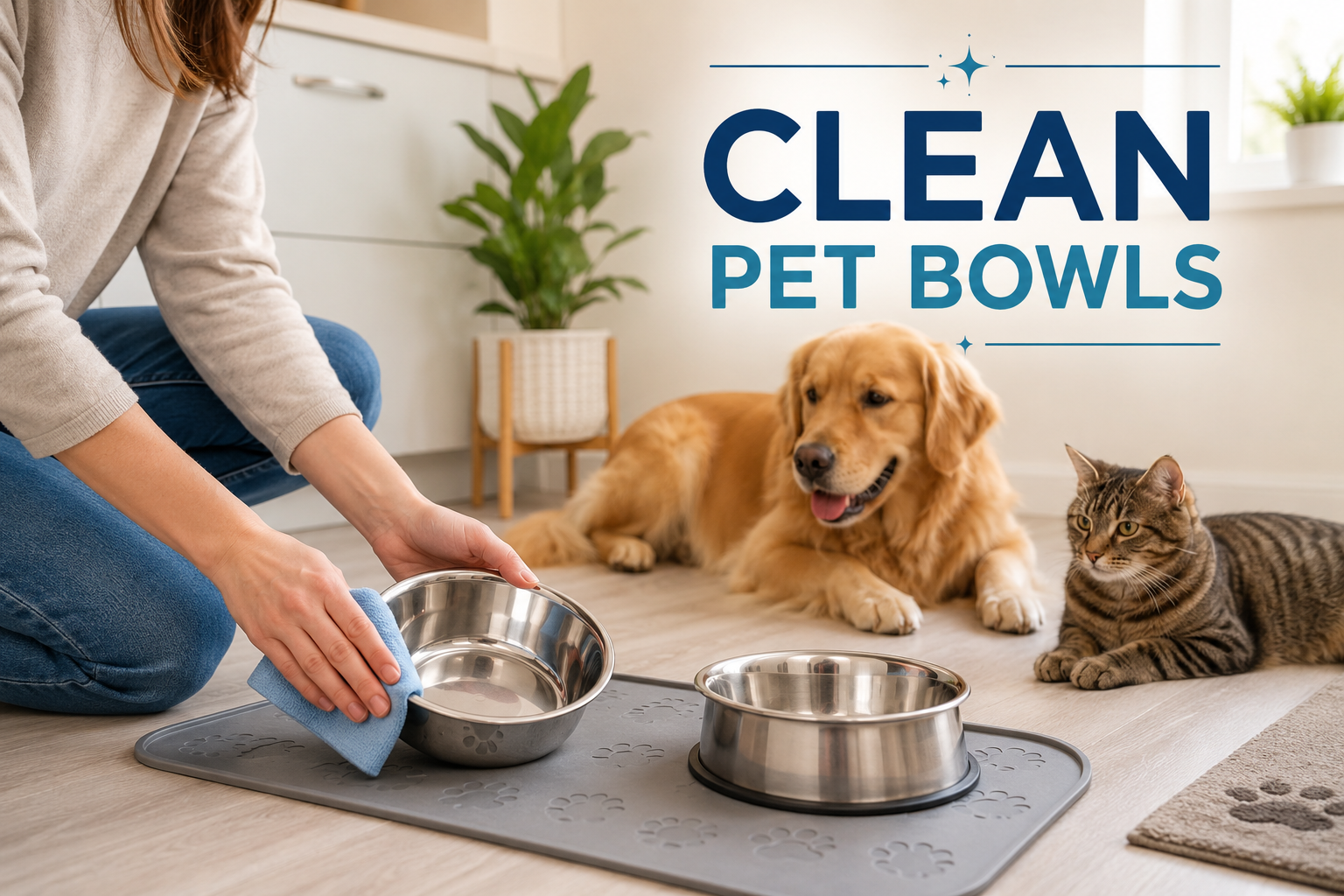
Clean food and water bowls regularly.
Check toys and bedding for damage.
Remove items that have become unsafe.
A clean area is more comfortable and easier to inspect for insects moisture or other problems.
Using the Space for a New Pet
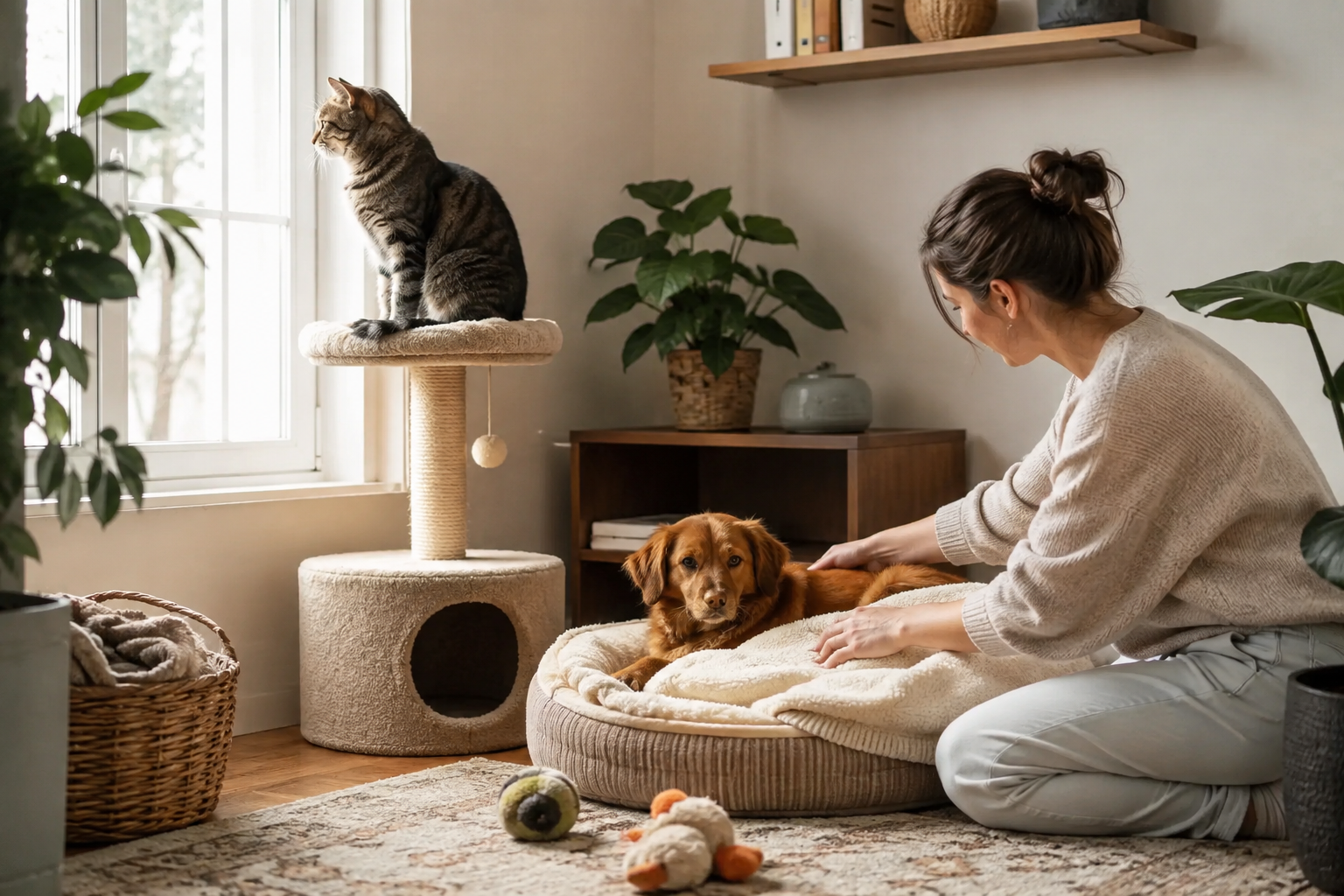
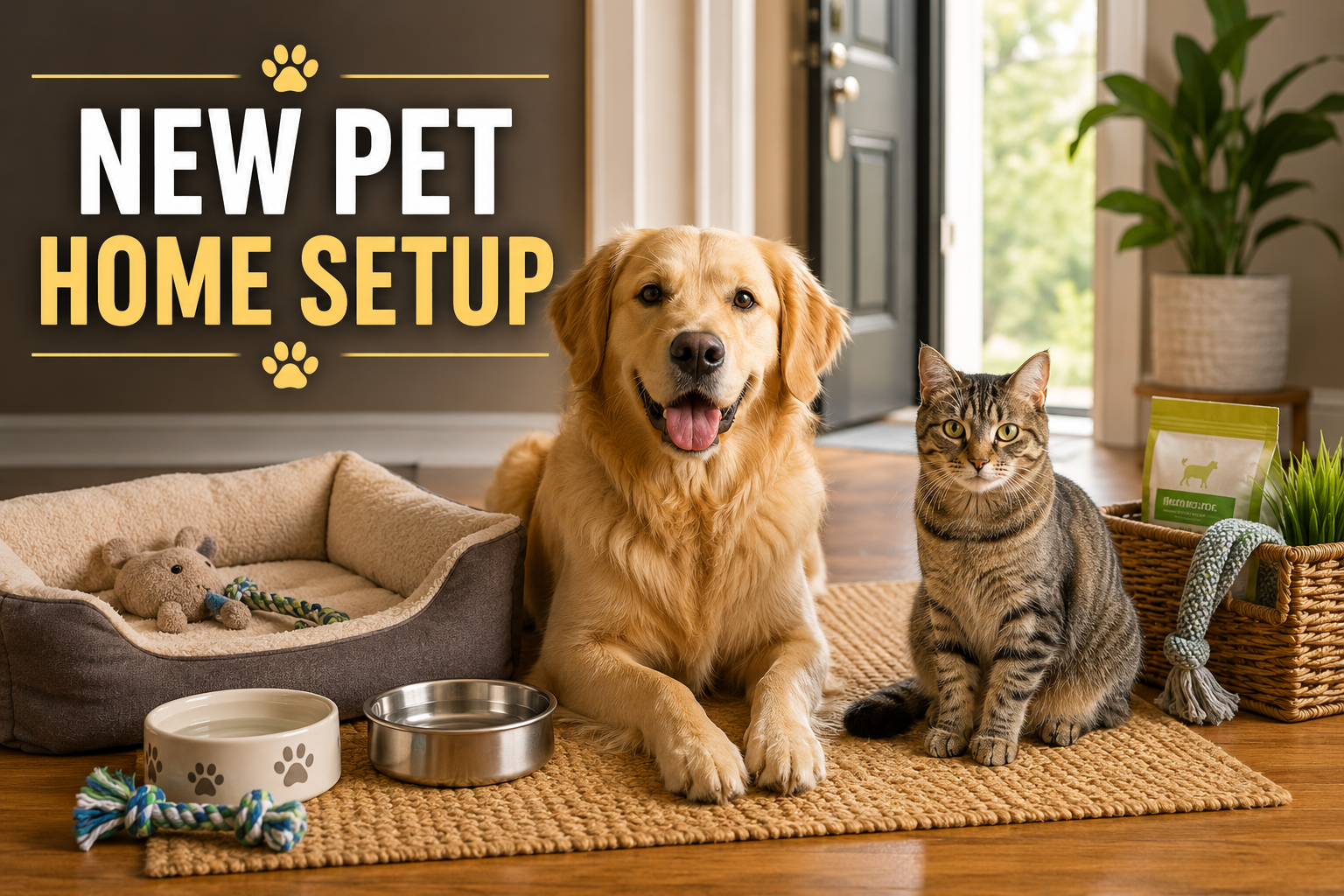
A dedicated area can be especially useful when bringing home a new pet.
Instead of immediately giving access to every room you can start with a smaller safe environment.
Add:
- Water
- Suitable food at normal meal times
- A resting place
- Appropriate bathroom setup
- A few safe enrichment items
Let the pet explore at a comfortable pace.
Avoid overwhelming the animal with too many visitors or new experiences on the first day.
Common Pet Space Mistakes
Putting the Bed in the Busiest Part of the House
Some pets find constant traffic difficult when trying to rest.
Using the Space Only for Punishment
The area should remain associated with safety and rest.
Adding Too Many Toys
A cluttered space can be harder to clean and may not feel restful.
Ignoring Temperature
Direct sunlight heaters and strong drafts can make a location uncomfortable.
Never Updating the Setup
A pet's needs can change with age health and behavior.
Frequently Asked Questions
Does Every Pet Need Its Own Bed?
Not necessarily. The important thing is having access to a safe comfortable resting location.
Should a Pet Space Be in a Separate Room?
No. A quiet corner in a normal family room can work very well.
Can I Put Food in the Pet's Resting Area?
You can when appropriate but you do not need to keep food available all day unless that matches your feeding plan. Water access is generally more important.
Should Cats Have a Hiding Place?
Many cats appreciate having somewhere enclosed or partly hidden where they can relax.
How Do I Know if My Pet Likes the Space?
If your pet chooses to rest there willingly and appears relaxed that is a good sign. If the pet consistently avoids the area consider changing the location or setup.
Sources and References
- ASPCA Pet Care
- American Veterinary Medical Association Pet Owner Resources
- CDC Healthy Pets Healthy People
Pet Safety Note
A comfortable space should never contain known hazards. If your pet has special mobility breathing temperature or medical needs ask your veterinarian how to adapt the home environment safely.
About the Author
Ibrahim is a pet care writer at DailyPetTips. He creates practical and easy to understand guides using reliable veterinary animal welfare and educational sources where relevant. DailyPetTips content is reviewed for clarity usefulness and responsible pet care guidance before publication.
Pet parent notes