Quick Answer
If you see a pet food recall or safety warning online do not rely only on a social media post or screenshot.
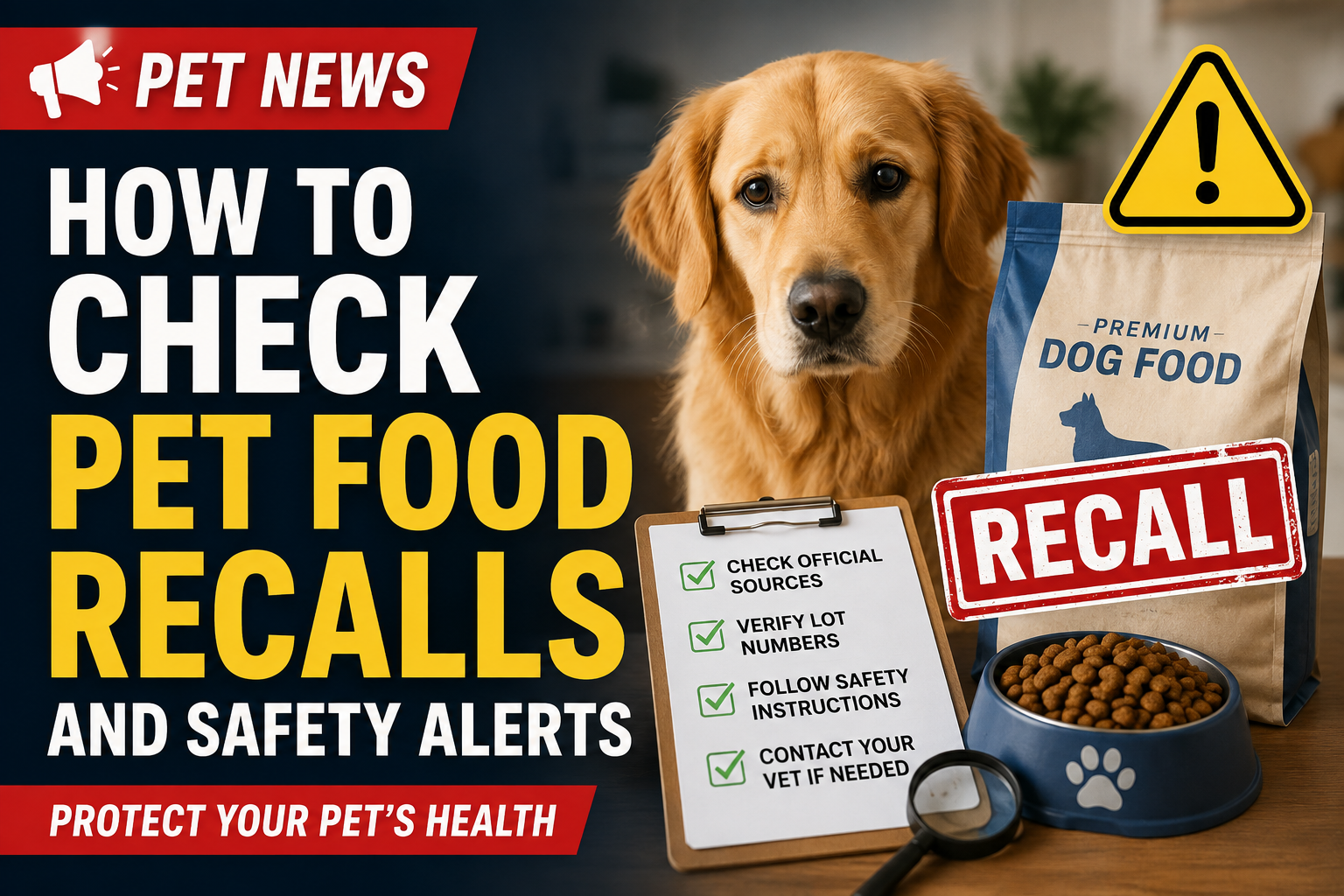
Check the official notice from the manufacturer or a government food safety authority. Compare the exact product name package size lot number best before date and other identifying information with the food you have at home.
If your product is included in a recall stop using it according to the official instructions and contact your veterinarian if your pet has eaten the product and is showing concerning symptoms.
Key Takeaways
- Verify recalls using official sources.
- Do not assume every product from the same brand is recalled.
- Check lot numbers and package details carefully.
- Keep the original pet food packaging when possible.
- Follow the recall notice instead of guessing what to do.
- Do not feed recalled food to another animal.
- Contact a veterinarian if your pet becomes unwell.
- Be cautious with viral posts that do not link to an official notice.
What Is a Pet Food Recall?
A recall happens when a pet food or animal feed product is removed from sale or consumers are warned not to use it because of a possible safety or quality problem.
Reasons can include:
- Possible bacterial contamination
- Incorrect nutrient levels
- Foreign material
- Labeling problems
- Undeclared ingredients
- Manufacturing problems
A recall does not always mean every product made by the company is affected.
Many recalls apply only to specific production lots or package sizes.
Where Do Pet Food Safety Alerts Come From?
Reliable information may come from:
- Government food safety agencies
- The pet food manufacturer
- Veterinary authorities
- Official company recall notices
In the United States the FDA publishes information about animal food recalls and safety alerts.
Other countries have their own food and animal health authorities.
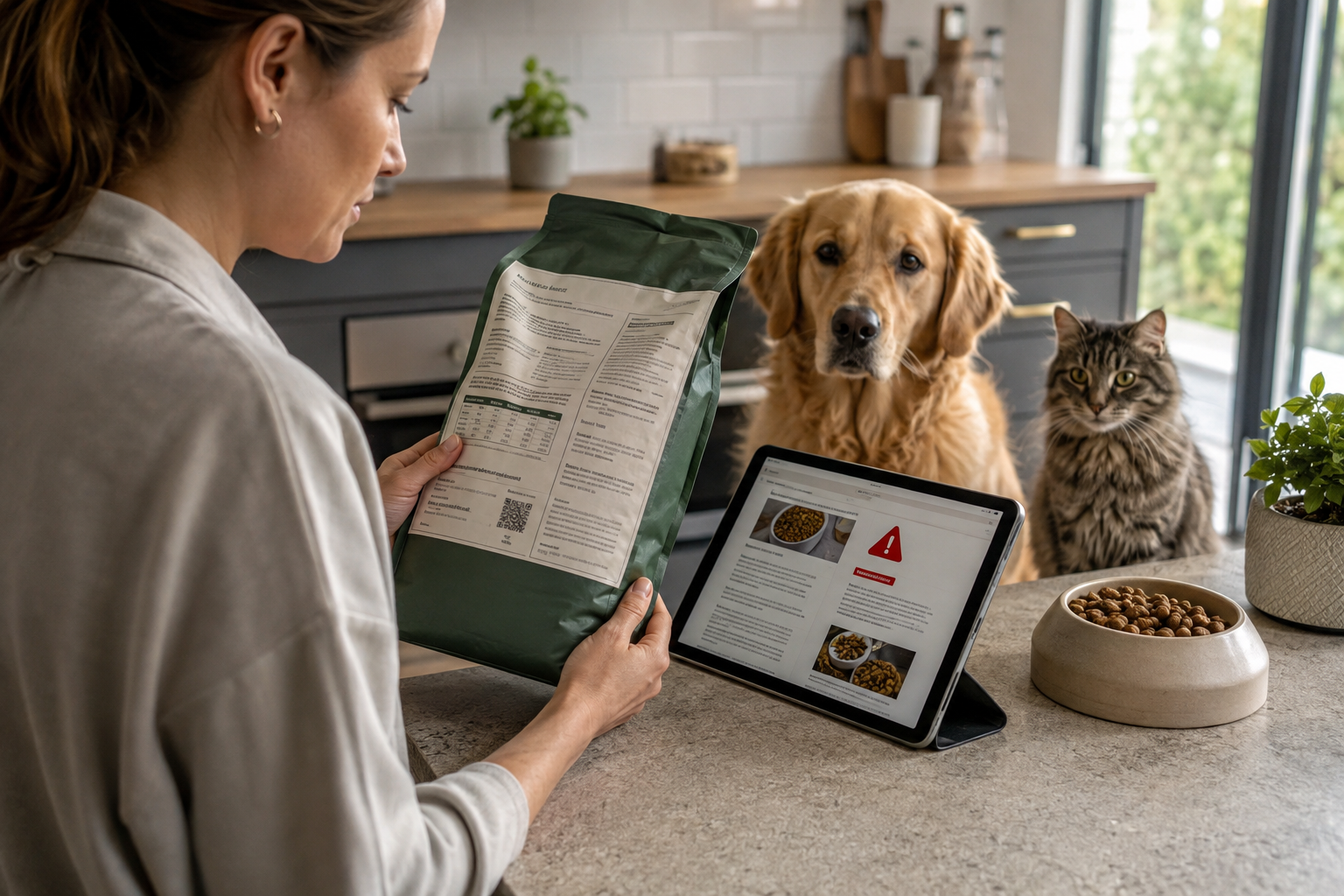
When reading an article about a recall look for a link to the original official notice.
How to Verify a Pet Food Recall
Start by finding the official recall notice.
Then compare the notice with the product you actually own.
Check:
- Brand name
- Product name
- Flavor or recipe
- Package size
- UPC or barcode when listed
- Lot number
- Best before or expiration date
Do not throw the food away before recording these details if the official instructions may require proof of purchase or product information.
Check the Product Label Carefully
Two pet food packages can look almost identical while belonging to different production lots.
Look around the top bottom back and sealed edges of the package.
The manufacturing code may be printed in small text.
For cans it may appear on the base or lid.
If you are unsure where to find the code contact the manufacturer using the contact information on the package or official website.
Why Lot Numbers Matter
A lot number helps identify when and where a product was manufactured.
This is important because a problem may affect only a limited production run.
For example a recall notice may cover one recipe made during a specific period rather than every bag sold under that brand.
This is why headlines such as Brand X Recalled can sometimes be misleading when the actual recall is more limited.
What to Do if Your Pet Food Is Recalled
Follow the official recall instructions.
Depending on the situation you may be told to:
- Stop feeding the product
- Return it to the store
- Dispose of it safely
- Contact the manufacturer
- Record the lot information
Do not donate recalled food.
Do not feed it to outdoor animals or another household pet.
Keep children and animals away from recalled products while you are deciding how to dispose of them.
What if Your Pet Already Ate the Food?
Do not panic automatically.
Read the official recall notice because different hazards create different risks.
Observe your pet for unusual changes.
Contact a veterinarian promptly if your pet develops concerning signs such as:
- Repeated vomiting
- Severe diarrhea
- Loss of appetite
- Weakness
- Tremors
- Difficulty walking
- Collapse
- Other unusual symptoms mentioned in the recall notice
Tell the veterinarian the exact product and lot information if you have it.
Why Keeping the Original Package Is Useful
Many pet owners pour dry food into another container and immediately throw away the original bag.
This can make recall checking more difficult.
A useful storage method is to keep dry food inside its original bag and place the entire bag inside a clean sealed storage container.
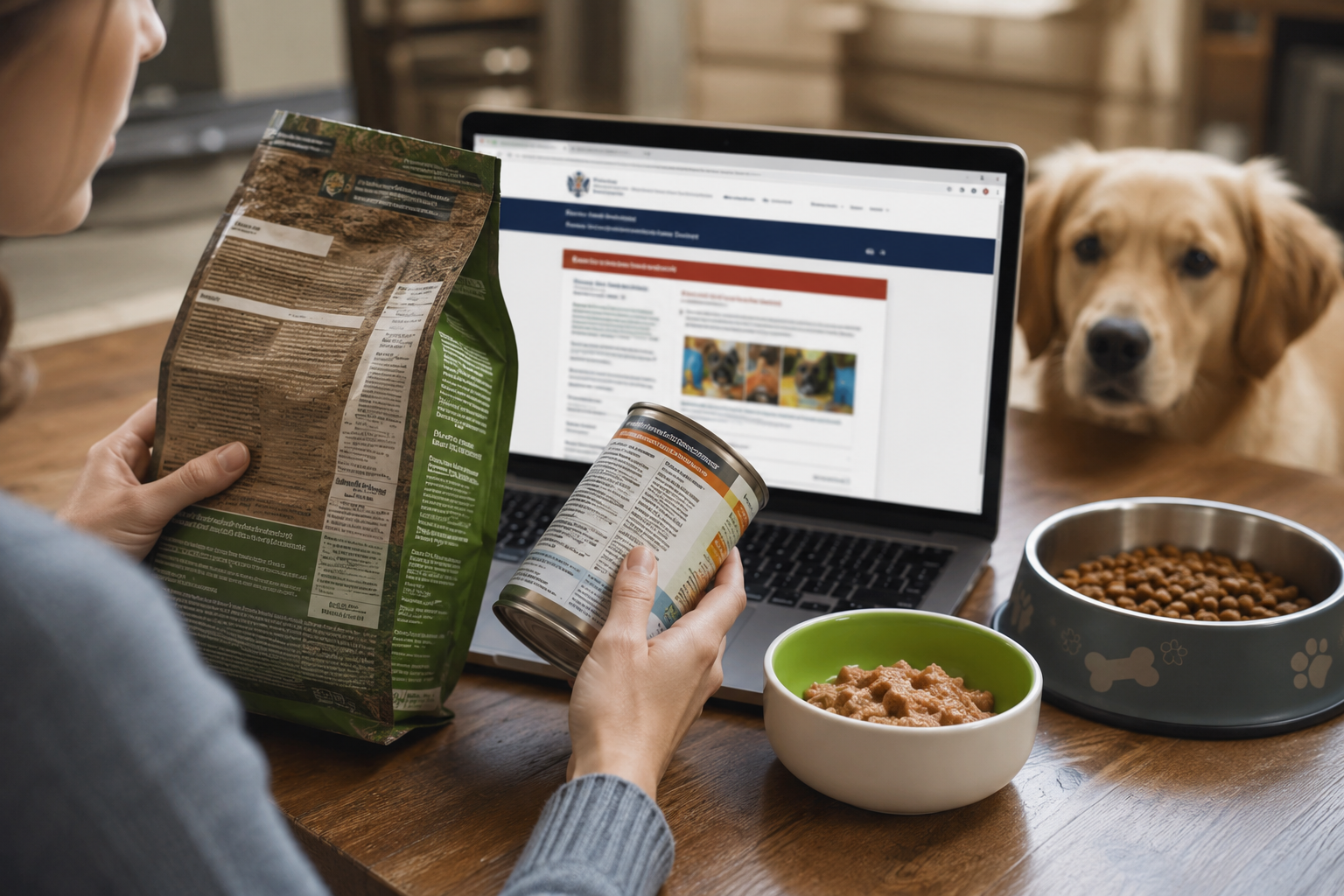
The package may contain:
- Lot number
- Best before date
- Manufacturer contact details
- Feeding instructions
- Nutritional information
Our guide on how to store dry and wet pet food safely at home explains this in more detail.
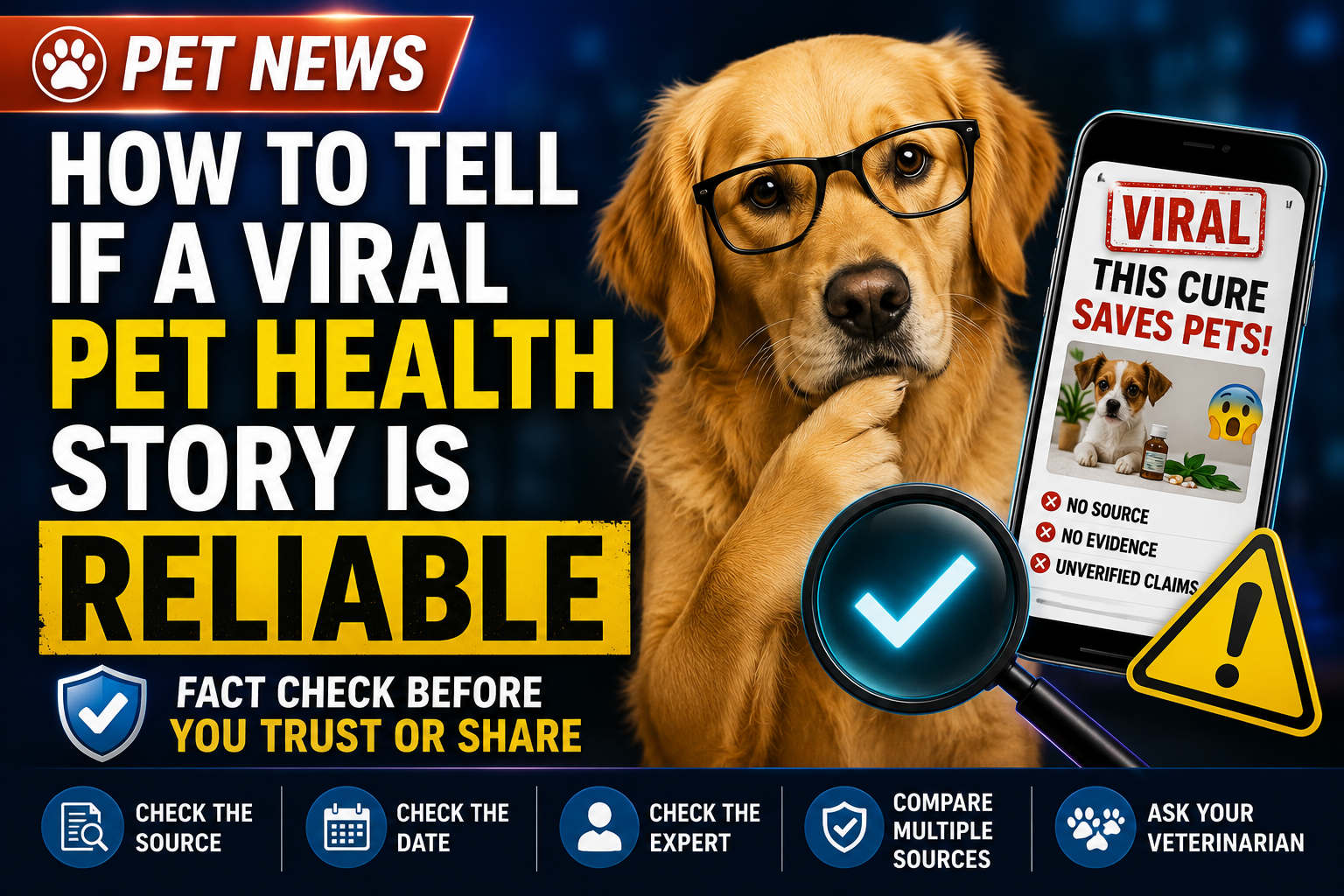
Be Careful With Viral Recall Posts
Pet safety information spreads quickly on social media.
That can be helpful but it can also spread old or incorrect information.
A post may:
- Share a recall from several years ago
- Use an unrelated product photo
- Leave out the affected lot numbers
- Claim an entire brand is unsafe when only one product is affected
- Have no official source
Before sharing a recall post check the publication date and official source.
Food Safety Does Not End With Recalls
Even food that has not been recalled can become unsafe if it is stored badly.
Protect pet food from:
- Moisture
- Heat
- Pests
- Dirty scoops
- Cross contamination
Wash bowls regularly and do not continually add new food on top of dirty old residue.
Read our guide on how to clean pet bowls and feeding areas safely.
Common Pet Food Recall Mistakes
Throwing Away the Package Immediately
You may lose the lot information needed to check the recall.
Believing Every Social Media Post
Verify the information with an official source.
Assuming the Entire Brand Is Recalled
Many recalls involve only specific products or lots.
Feeding the Food to Another Animal
A recalled product should not be passed to another pet.
Ignoring Symptoms
If your pet becomes unwell after eating a recalled product contact a veterinarian.
Frequently Asked Questions
Where Can I Check Pet Food Recalls?
Check your country's official food safety or animal feed authority and the manufacturer's official website.
Does a Recall Mean Every Bag From the Brand Is Unsafe?
No. A recall may apply only to certain products production lots package sizes or dates.
Should I Throw Away Recalled Food Immediately?
Follow the official recall instructions first. You may need the package information before disposal or return.
What if I Cannot Find the Lot Number?
Contact the manufacturer and ask where the identifying code is printed.
Should I Call a Vet if My Pet Ate Recalled Food?
If your pet has symptoms or the official recall notice recommends veterinary consultation contact your veterinarian promptly.
Related DailyPetTips Guides
- How to Read a Pet Food Label
- How to Store Dry and Wet Pet Food Safely at Home
- How to Clean Pet Bowls and Feeding Areas Safely
Sources and References
- FDA Animal Food Recalls and Withdrawals
- FDA Animal and Veterinary
- American Veterinary Medical Association Pet Owner Resources
Pet Food Safety Disclaimer
This article provides general educational information and does not replace veterinary advice or an official recall notice. Always follow the instructions published by the responsible authority or manufacturer for the specific product involved.
Editorial Note
DailyPetTips does not label a pet food as recalled unless the information can be matched to an official recall source. Product details including lot numbers dates and package sizes should be checked before owners take action.
About the Author
Ibrahim is a pet care writer at DailyPetTips. He creates practical easy to understand guides using established veterinary animal welfare and food safety sources.
Pet parent notes