
Quick Answer
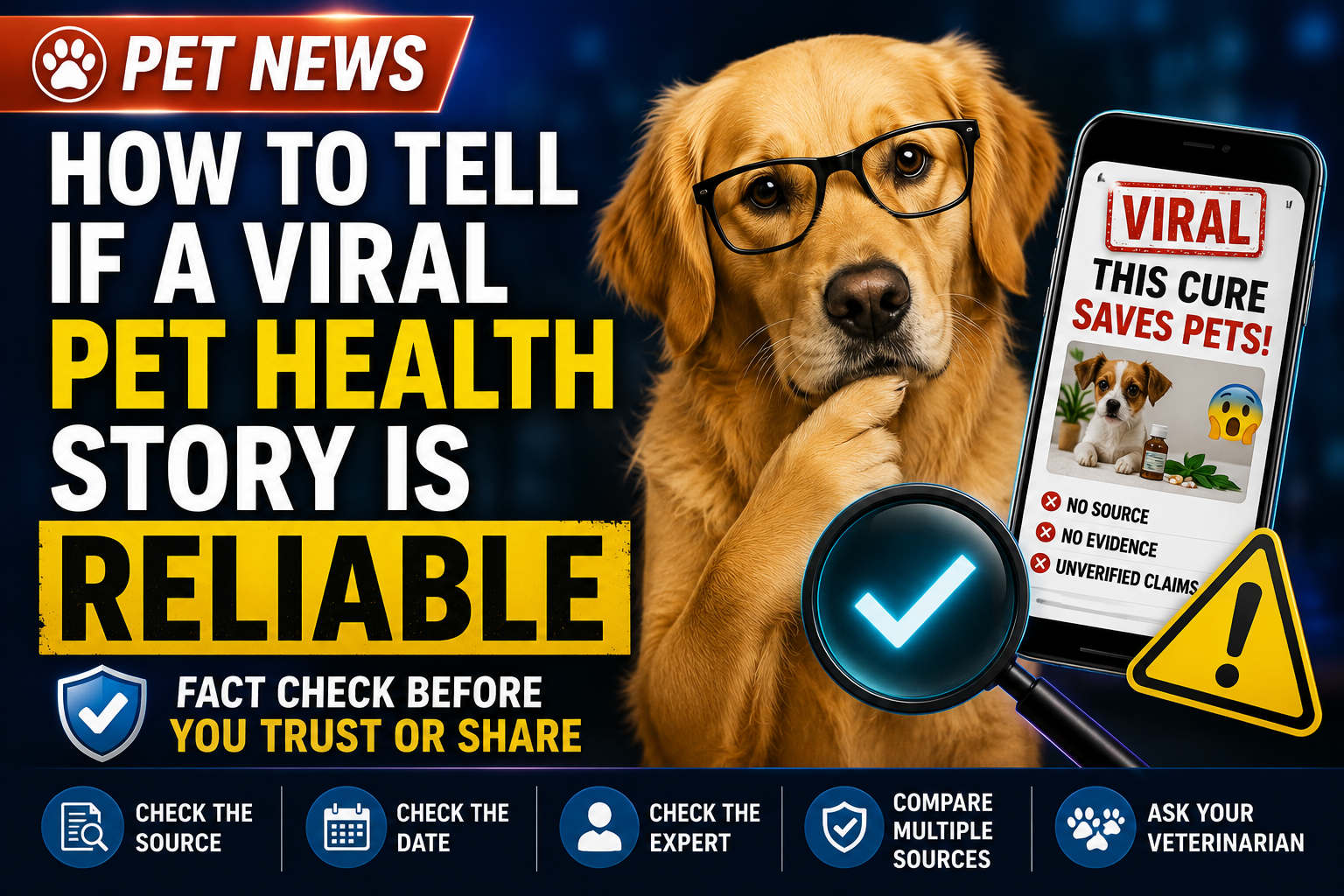
Before trusting a viral pet health story check who published it where the information originally came from and whether qualified veterinary or scientific sources support the claim.
Look for a publication date links to original research or official guidance named experts and clear explanations of uncertainty.
Be cautious with posts that promise miracle cures use frightening language or tell owners to replace veterinary care with an unproven home treatment.
Key Takeaways
- Find the original source instead of trusting screenshots.
- Check when the story was published.
- Look for qualified veterinary experts.
- Separate research findings from personal opinions.
- Be cautious with miracle cure claims.
- Do not change medicine based on a social media post.
- Check whether other reliable sources report the same information.
- Ask your veterinarian when advice could affect your pet's health.
Why Pet Health Misinformation Spreads
Pet owners care deeply about their animals.
This makes emotional stories powerful.
A frightening headline about pet food medicine vaccines parasites or household products can spread to thousands of people before anyone checks whether it is accurate.
Some misinformation begins with a completely false claim.
Other stories begin with a real fact but remove important context.
For example a small research study may become a headline claiming that scientists have proven something for every dog or cat.
Good pet journalism should explain what is known what is uncertain and what owners should realistically do.
Find the Original Source
If a post says Experts Warn or New Study Shows ask a simple question.
Which experts and which study?
Look for a link to:
- The original research paper
- A government agency
- A veterinary organization
- A university
- A recognized animal welfare organization
If the entire claim comes from a screenshot with no source treat it cautiously.
Check the Publication Date
Old pet stories often return to social media as if they happened today.
This happens frequently with:
- Pet food recalls
- Disease outbreaks
- Product warnings
- Travel rules
- Weather alerts
Before sharing check when the original event happened.
A genuine warning from several years ago may no longer describe the current situation.
Check Who the Expert Is
The word expert has no meaning unless the person's qualifications are explained.
For veterinary health information look for professionals such as:
- Licensed veterinarians
- Board certified veterinary specialists when relevant
- Veterinary researchers
- Qualified animal nutrition professionals
- Recognized public health authorities
A large social media following does not automatically make someone qualified to diagnose or treat disease.
Do Not Treat One Study as the Final Answer
Scientific research builds over time.
A single study can be useful without proving a universal rule.
Ask:
- How many animals were studied?
- Which species and breeds were included?
- Was the research observational or experimental?
- Has similar research found the same result?
- What limitations did the researchers mention?
A responsible article should not turn a weak association into a guaranteed cause.
Watch for Emotional Headlines
Click driven stories may use phrases such as:
- Every pet owner must know this
- Vets do not want you to know
- This common product is secretly killing pets
- One trick cures everything
- Stop doing this immediately

A dramatic headline does not automatically mean the claim is false.
However extreme language is a reason to slow down and check the evidence.
Be Careful With Miracle Treatments
Health misinformation becomes dangerous when it convinces owners to replace proper veterinary care.
Be especially cautious when a post claims one home remedy can:
- Cure cancer
- Replace antibiotics
- Reverse serious poisoning
- Treat seizures
- Replace emergency care
- Cure every skin problem
Do not stop prescribed medicine because of a viral post.
Speak with your veterinarian first.
Photos and Videos Are Not Proof by Themselves
A dramatic image can create a strong emotional reaction.
But the photo may:
- Come from another event
- Be several years old
- Show a different product
- Have no connection to the claim
- Be edited
Read the source rather than relying on the image caption.
Compare More Than One Reliable Source
When a story involves an important health issue check whether other reliable organizations have published similar information.
Useful sources may include:
- AVMA
- FDA
- CDC
- Veterinary universities
- Specialist veterinary associations
For bird specific health information an avian veterinary organization may be more useful than a general pet blog.
For food recalls use an official food safety database rather than a social media account.
When Should You Ask Your Veterinarian?
Ask your veterinarian before acting on online information when it involves:
- Medication
- Supplements
- Serious symptoms
- Diet changes for a medical condition
- Poisoning
- Vaccination
- Emergency treatment
Bring the article or screenshot with you.
A veterinarian can help explain whether the information applies to your individual pet.
Use a Simple Checklist Before Sharing Pet News
Before clicking share ask:
- Who published this?
- What is the original source?
- When was it published?
- Are qualified experts named?
- Does the article link to evidence?
- Does another reliable source confirm it?
- Is the headline more dramatic than the evidence?
If you cannot answer these questions wait before sharing.
Why This Matters for Pet Food News
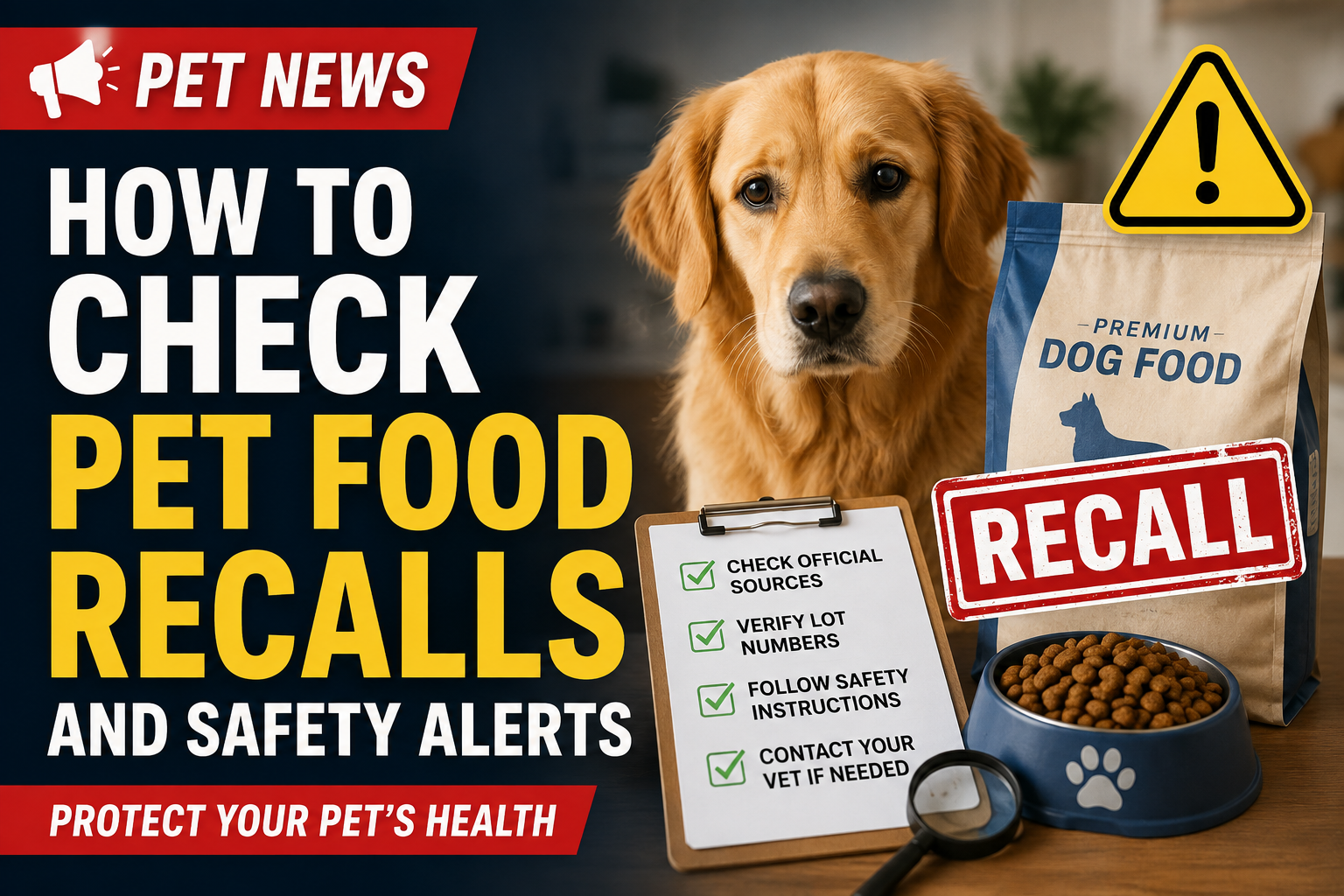
Pet food recalls are a common example of why verification matters.
A viral post may correctly name a company but leave out the exact product and lot numbers.
Our guide on how to check pet food recalls and safety alerts explains how to verify those details safely.
Common Pet News Fact Checking Mistakes
Reading Only the Headline
The actual article may be much less dramatic.
Trusting Screenshots
A screenshot can remove the date source and context.
Assuming Popular Means Accurate
Millions of views do not make a claim scientifically correct.
Ignoring the Date
Old news can look new when it is reposted.
Using One Personal Story as Proof
A personal experience can be real without proving that every pet will have the same result.
Changing Medical Care Without Asking a Vet
This can put a pet at risk.
Frequently Asked Questions
Can I Trust Pet Advice on Social Media?
Some information is excellent and some is unreliable. Check the source qualifications evidence and date before using health advice.
Does a Veterinarian on Social Media Always Give Advice for My Pet?
No. General educational information cannot replace an examination and medical history for an individual animal.
How Do I Know if a Pet News Site Is Reliable?
Look for named authors sources publication dates corrections and clear separation between facts opinions and advertising.
Should I Trust a Viral Pet Food Recall Post?
Verify it through the relevant government authority or the manufacturer's official recall notice.
What Should I Do if Online Advice Conflicts With My Veterinarian?
Discuss the information directly with your veterinarian and ask why their recommendation differs.
Related DailyPetTips Guides

Sources and References
Pet Health Disclaimer
This article explains how to evaluate pet health information and is not veterinary diagnosis or treatment. Contact a veterinarian whenever your pet has significant symptoms or when online advice could change medical care.
Editorial Note
DailyPetTips aims to distinguish verified information from rumors. Pet news involving health safety recalls or medical recommendations should be linked to original authoritative sources whenever possible and corrected when reliable evidence changes.
About the Author
Ibrahim is a pet care writer at DailyPetTips. He creates practical easy to understand content using established veterinary public health animal welfare and food safety sources.
Pet parent notes