Quick Answer
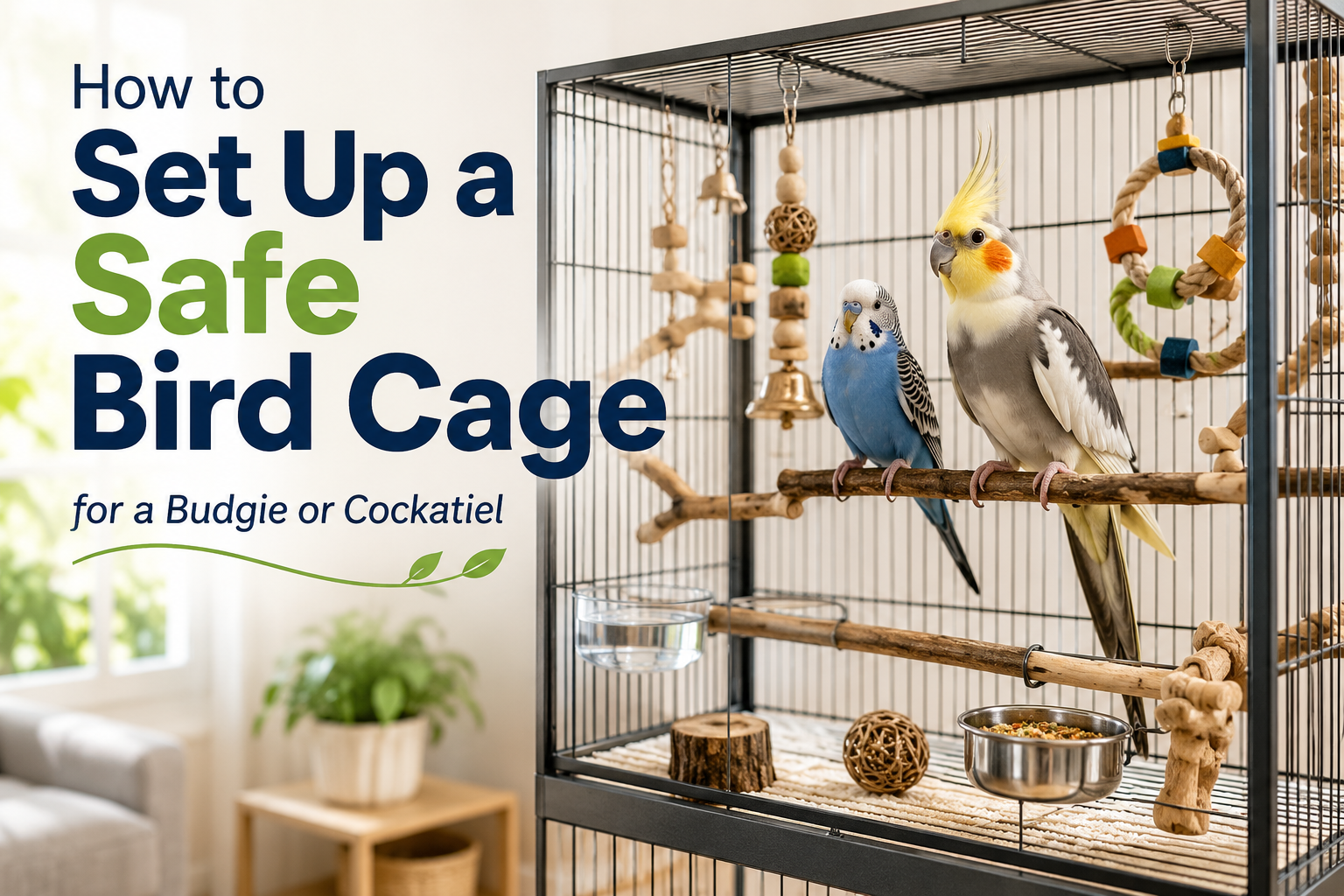
A good bird cage should provide enough room for your bird to move comfortably and stretch its wings while remaining secure and easy to clean.
Choose species appropriate bar spacing and safe cage materials. Add several suitable perches food and water bowls safe toys and opportunities for climbing and foraging.
Place the cage in a comfortable part of the home away from cooking fumes smoke strong aerosols direct heat and unsafe drafts.
Key Takeaways
- Choose a cage designed for your bird species.
- Make sure bar spacing cannot trap the bird's head.
- Prioritize useful horizontal space for movement.
- Use several safe perches with different shapes and diameters.
- Keep food and water away from areas likely to collect droppings.
- Provide safe toys and foraging opportunities.
- Keep birds away from smoke aerosols and dangerous cooking fumes.
- Inspect the cage and toys regularly for damage.
Choose the Right Cage Size
Bird cages should not be treated only as decorative furniture.
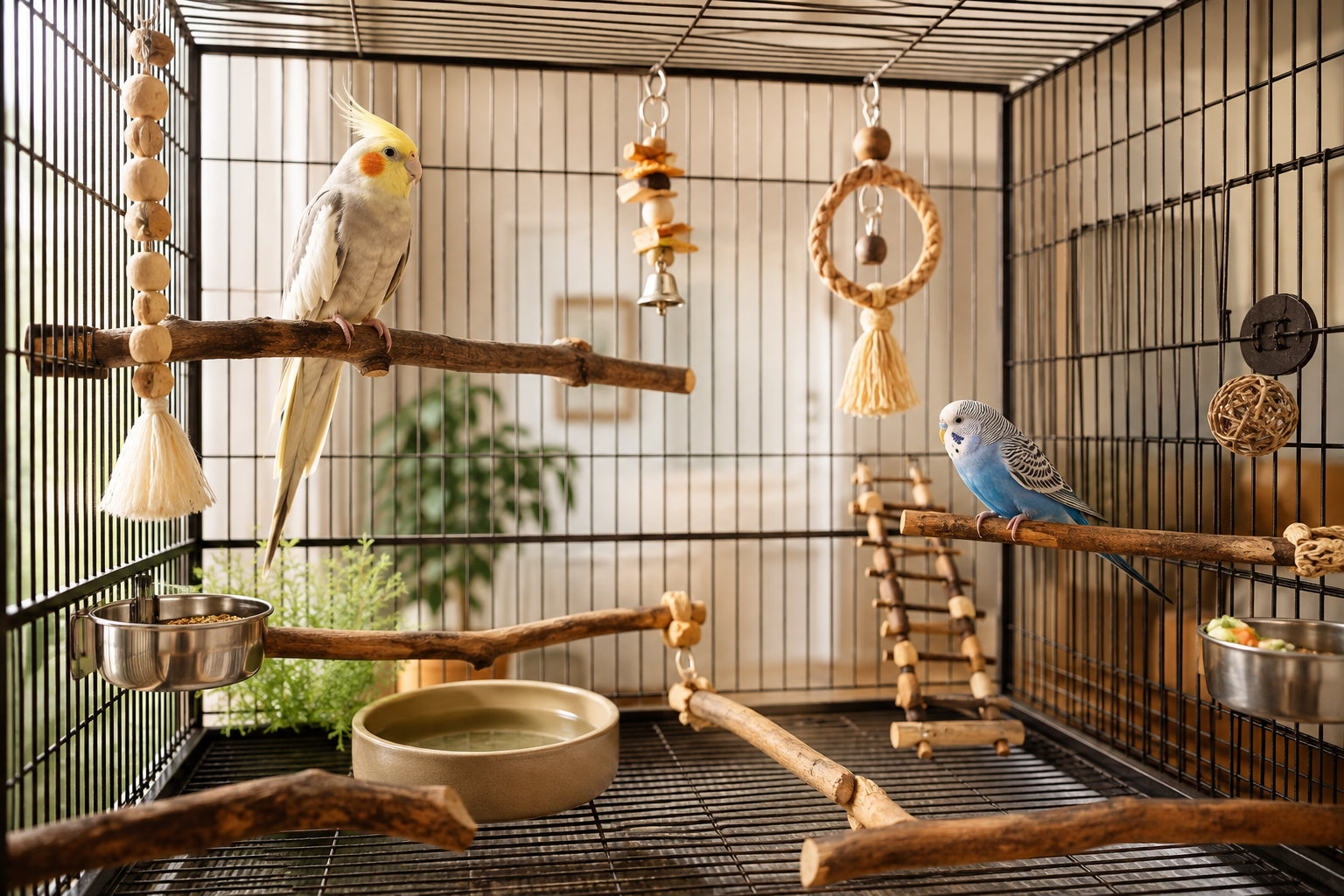
Your bird may spend many hours inside the cage so the space should allow normal movement and comfortable access to food water perches and enrichment.
Bigger is usually more useful when the bar spacing and construction are safe for the species.
A cage should allow the bird to move between perches without constantly hitting toys bowls or cage walls.
For many small companion birds horizontal space is especially valuable because it provides more room for natural movement.
When choosing between two cages avoid selecting one only because it is tall. Look at the usable space inside.
Check Bar Spacing Carefully
Bar spacing is a safety issue.
Bars that are too far apart may allow a bird to push its head through and become trapped.
The correct spacing depends on the species and size of the individual bird.
When buying a cage confirm that the manufacturer lists it as appropriate for your bird species.
If you are unsure ask an avian veterinarian or experienced bird professional before using the cage.
Choose Safe Cage Materials
A bird may use its beak to climb and explore cage bars.
This makes cage construction important.
Choose a cage made for companion birds by a reliable manufacturer.
Avoid cages with:
- Flaking paint
- Rust
- Sharp edges
- Broken welds
- Loose metal pieces
- Unknown coatings
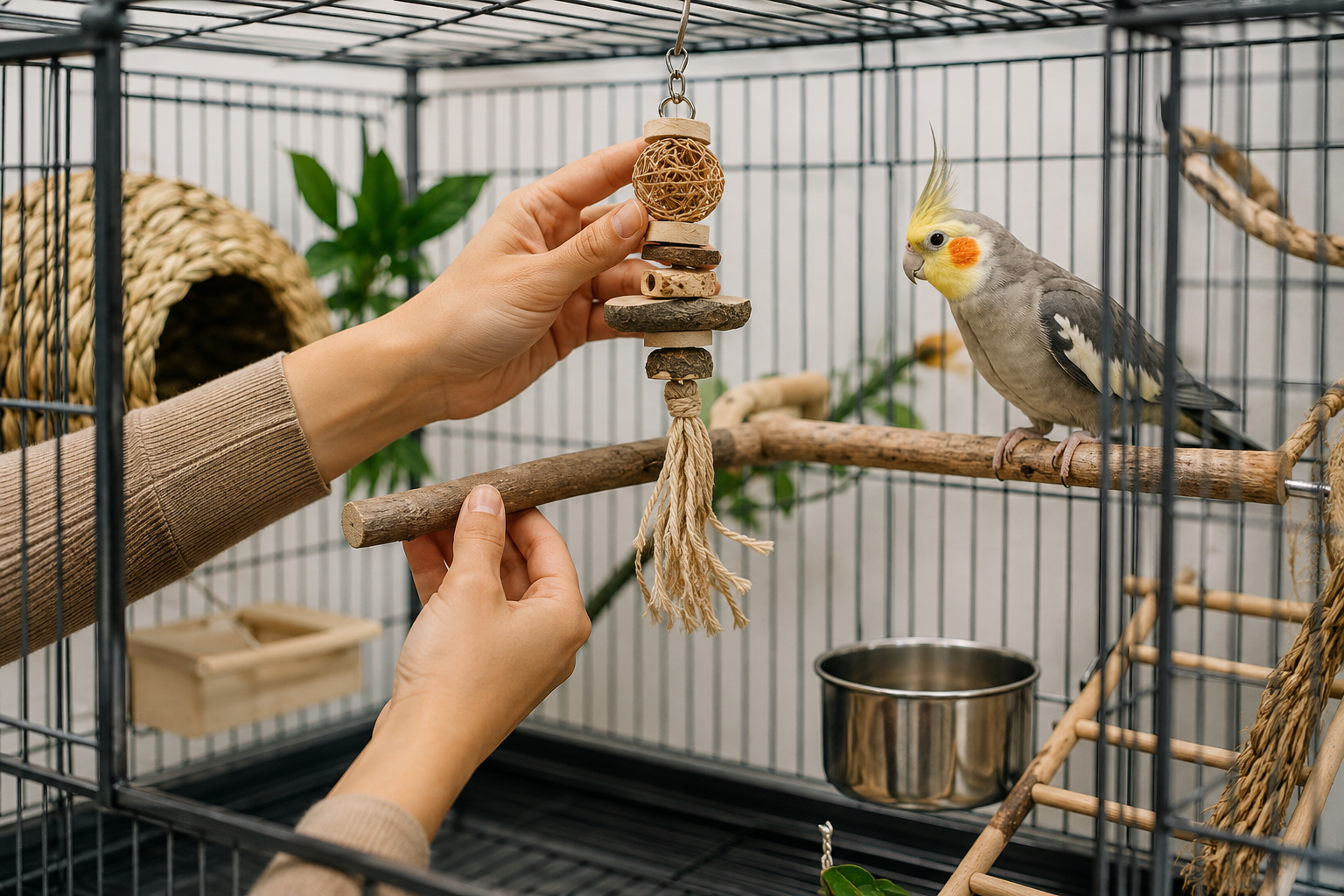
Inspect doors and locks too.
Some birds become surprisingly good at opening simple cage doors.
Find the Best Cage Location
The cage should be somewhere the bird can feel part of normal household life without being exposed to constant stress.
A quiet side of a living room can work better than an isolated room or a location beside a busy doorway.
Avoid placing the cage:
- Beside a hot stove
- Directly under strong air conditioning
- In constant direct sunlight
- Near cigarette smoke
- Near strong sprays or aerosols
- In an area with frequent sudden noise
Keep Birds Away From Cooking Fumes
Bird respiratory systems are very sensitive.
Smoke and fumes that seem mild to people may be dangerous to birds.
Overheated nonstick cookware and some other heated coated products can release fumes that are especially hazardous to birds.
Keep birds away from kitchens and cooking fumes and discuss household product safety with an avian veterinarian if you are unsure.
Add Several Suitable Perches
One smooth perch does not provide enough variety.
Use safe perches with different shapes and diameters so the bird does not place pressure on exactly the same parts of its feet all day.
Natural wood perches made from bird safe tree species can provide useful texture.
Make sure branches are properly cleaned and have not been exposed to pesticides or other chemicals.
Avoid positioning every perch at the same height.
Also avoid placing perches directly above food or water bowls because droppings can contaminate them.
Avoid Sandpaper Perch Covers
Rough sandpaper style covers are not necessary for normal foot care and may irritate feet.
Nail condition should be managed through appropriate perches and professional trimming when needed.
Position Food and Water Bowls Carefully
Food and water should be easy for the bird to reach.
Place bowls where they are less likely to collect droppings or pieces of dirty cage material.
Check water at least daily and replace it when contaminated.
Wash bowls regularly rather than simply adding new food or water on top of old residue.
Our general guide on how to clean pet bowls and feeding areas safely explains basic food contact hygiene.
Add Toys and Enrichment
Birds need mental activity as well as physical space.
Useful enrichment may include:
- Chewing toys
- Climbing toys
- Foraging activities
- Shredding materials designed for birds
- Simple puzzle feeders
Do not fill every part of the cage with toys.
The bird still needs room to move.
Rotate some toys instead of adding more and more.
Inspect toys frequently for loose threads sharp pieces broken clips or anything that could trap a toe or be swallowed.
Set Up the Cage Floor Simply
A simple cage liner can make cleaning easier.
Plain paper or another bird safe liner recommended for the cage can help you see droppings and spilled food.
Being able to see droppings also makes unusual changes easier to notice.
Avoid materials that create excessive dust or make it difficult to monitor cleanliness.
Create a Practical Cleaning Routine
Daily cleaning does not mean taking the entire cage apart every morning.
Focus on the areas that become dirty fastest.
Daily tasks may include:
- Refreshing water
- Removing old fresh food
- Cleaning dirty bowls
- Changing heavily soiled liner
- Removing obvious droppings from surfaces
Complete deeper cleaning regularly based on the cage design number of birds and level of mess.
Use cleaning products that are safe around birds and rinse surfaces thoroughly.
Never expose your bird to strong cleaning fumes.
Plan Safe Time Outside the Cage
A cage should not be the bird's only source of activity.
Many companion birds benefit from supervised time outside the cage in a bird safe room.
Before opening the cage:
- Close windows and exterior doors.
- Turn off ceiling fans.
- Remove unsafe pets from the area.
- Cover or secure dangerous water sources.
- Hide electrical cords when possible.
- Remove toxic plants.
- Block gaps where the bird could become trapped.
Supervision matters because birds can reach places people do not expect.
Watch for Health Changes
Birds may hide signs of illness.
Pay attention to changes in:
- Eating
- Drinking
- Droppings
- Activity
- Balance
- Breathing
- Feather condition
- Normal vocal behavior
A bird that stays fluffed up for long periods becomes unusually quiet sits low in the cage has breathing difficulty or stops eating may need prompt veterinary attention.
An avian veterinarian is the best professional for bird specific health concerns.
Common Bird Cage Setup Mistakes
Buying a Cage Because It Looks Pretty
Safety useful space and construction matter more than decoration.
Using Only One Perch
Provide several suitable surfaces for the feet.
Overfilling the Cage With Toys
The bird still needs room to move comfortably.
Putting the Cage in the Kitchen
Cooking smoke heat and fumes can create serious risk.
Never Inspecting Toys
Safe toys can become unsafe after they are damaged.
Leaving Dirty Water in the Cage
Refresh and clean water bowls regularly.
Frequently Asked Questions
Is a Tall Cage Better for a Budgie?
Not automatically. Useful horizontal space can be very important for movement. Choose a cage designed for the species with safe bar spacing.
How Many Perches Should a Bird Have?
Use enough to provide variety and access to different parts of the cage without making the cage crowded.
Should a Bird Cage Be Near a Window?
Indirect natural light can be pleasant but avoid direct overheating strong drafts and situations where outdoor activity constantly frightens the bird.
Can I Keep a Bird Cage in the Kitchen?
It is safer to keep companion birds away from cooking fumes smoke and heated products that may release dangerous gases.
How Often Should I Clean the Cage?
Remove obvious dirt and contaminated food or water daily. Perform deeper cleaning regularly based on the individual cage and bird.
Related DailyPetTips Guides
Sources and References
Bird Health Disclaimer
This article provides general educational guidance. Bird species differ in housing diet behavior and medical needs. Contact an avian veterinarian for individual advice or whenever your bird shows concerning health changes.
Editorial Note
This guide focuses on practical housing safety and avoids one size fits all cage measurements because suitable cage size and bar spacing depend on the bird species.
About the Author
Ibrahim is a pet care writer at DailyPetTips. He creates practical easy to understand guides using established veterinary animal welfare and educational sources where relevant.
Pet parent notes